

The 5 Most Fuel‑Efficient 2026 Hyundai Vehicles in Alberta
The 5 Most Fuel‑Efficient 2026 Hyundai Vehicles in Alberta
Posted on June 15, 2026
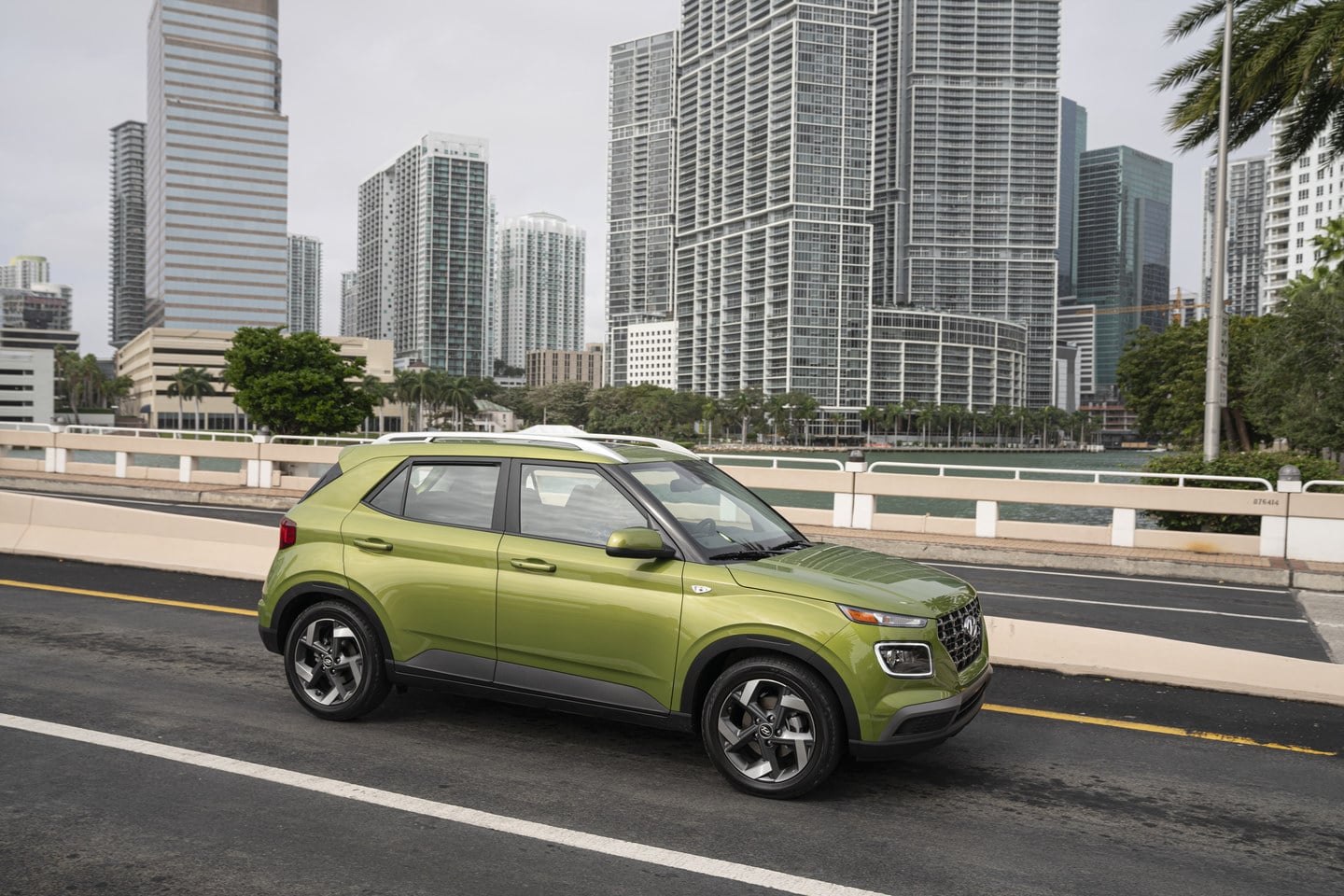
Summer in Alberta means longer stretches behind the wheel, whether that’s a daily commute or a highway run to the lake. Every extra litre of fuel or kilowatt-hour of electricity adds up over those kilometres.
Hyundai’s 2026 lineup includes five models built around lower energy use, spanning a full electric SUV, a compact electric crossover, and three hybrid sedans and SUVs. This guide ranks the models with verified combined efficiency ratings, from lowest to highest, so you can match one to how you actually drive.
The Most Efficient 2026 Hyundai Models, Ranked
| Rank | Model (Trim) | Powertrain | Combined | City | Highway |
| 1 | IONIQ 5 (Preferred Long Range RWD) | Single electric motor, RWD | 1.9 Le/100km | 1.7 Le/100km | 2.1 Le/100km |
| 2 | Elantra Hybrid (Luxury Hybrid) | 1.6L engine + electric motor, FWD | 4.7 L/100km | 4.8 L/100km | 4.5 L/100km |
| 3 | Sonata Hybrid (Preferred Trend HEV) | 2.0L engine + electric motor, FWD | 5.0 L/100km | 5.3 L/100km | 4.6 L/100km |
| 4 | Tucson Hybrid (1.6T HEV, N Line) | Turbocharged 1.6L engine + electric motor, AWD | 6.7 L/100km | 6.7 L/100km | 6.7 L/100km |
Hyundai’s electric lineup also includes the Kona Electric, built around a 150 kW electric motor and a 64.8 kWh battery driving the front wheels, with Level 3 DC fast charging support. It gives shoppers a smaller-footprint EV alongside the IONIQ 5.
How to Read These Efficiency Numbers
L/100km measures litres of gasoline burned per 100 kilometres, the standard rating for the hybrid models here. Le/100km converts an EV’s electricity use into a comparable litre-equivalent figure, so you can line up an electric and a gas-hybrid model side by side.
Each model’s rating above comes from its most efficient available trim, since options change the number. The IONIQ 5’s optional dual-motor AWD delivers 320 horsepower, but the added motor and traction hardware lift its combined rating from 1.9 Le/100km to 2.3 Le/100km.
City and highway splits matter too. The Sonata Hybrid actually rates better on the highway (4.6 L/100km) than in the city (5.3 L/100km), a pattern worth knowing if most of your driving is highway distance rather than stop-and-go.
Matching Each Hyundai to Your Alberta Driving Pattern
The IONIQ 5’s Preferred Long Range RWD trim pairs a single motor with an 84 kWh battery for 504 km of all-electric range. Level 3 fast charging at 350 kW takes about 18 minutes, so it suits drivers with home charging who want to skip gas stations entirely, even on a highway trip.
The Elantra Hybrid keeps things compact: a 1.6L engine and electric motor produce 139 hp, with 402 L of cargo space. At 4.7 L/100km combined, it fits commuters and budget-focused shoppers who don’t need SUV size or a plug.
The Sonata Hybrid steps up to a mid-size sedan with 441 L of cargo room and a 2.0L hybrid system rated at 192 hp combined. Its stronger highway number makes it a fit for drivers covering longer distances without committing to EV-only range.
The Tucson Hybrid pairs its turbocharged 1.6L hybrid system, rated 231 hp combined with 271 lb-ft of torque, with standard AWD. Cargo space runs up to 2,108 L with the seats folded. Against the gas-only Tucson’s 8.8 L/100km combined rating, the hybrid’s 6.7 L/100km makes AWD traction less of a fuel penalty, which suits families or gear-heavy drivers who need the cargo flexibility.
The Kona Electric rounds things out as a more compact EV option. Its 150 kW motor and 64.8 kWh battery, paired with front-wheel drive and DC fast charging, work for buyers who want electric driving in a smaller crossover than the IONIQ 5.
Which Efficiency Factors Matter Most for You
- Commute length: shorter daily drives favour the Elantra Hybrid’s lower price of entry into hybrid savings; longer commutes make the IONIQ 5’s range and charging speed worth a closer look.
- Charging access: home charging opens up the IONIQ 5 and Kona Electric; without it, the Elantra Hybrid, Sonata Hybrid, or Tucson Hybrid need no plug at all.
- Cargo needs: the Tucson Hybrid’s folded cargo space outsizes the sedans here, while the Sonata Hybrid offers more room than the Elantra Hybrid without a fully electric commitment.
- EV-only range vs. hybrid flexibility: the IONIQ 5 removes gas stations from the routine; the hybrids trade that for a familiar fuel-up routine with a lower number at the pump.
Comparing Hyundai’s Efficient Lineup at Grande Prairie Hyundai
Hyundai’s 2026 lineup pairs electric and hybrid powertrains across five models, giving Alberta drivers multiple ways to cut fuel and energy use, whether commuting daily or driving longer highway distances through the warmer months.
Visit Grande Prairie Hyundai in Grande Prairie to compare the IONIQ 5, Kona Electric, Elantra Hybrid, Sonata Hybrid, and Tucson Hybrid in person, and find the efficiency rating that matches your commute, cargo needs, and charging setup.