

Navigating the Electric Shift: 2026 Hyundai Kona EV vs. 2026 Toyota C-HR in Grande Prairie
Navigating the Electric Shift: 2026 Hyundai Kona EV vs. 2026 Toyota C-HR in Grande Prairie
Posted on March 31, 2026
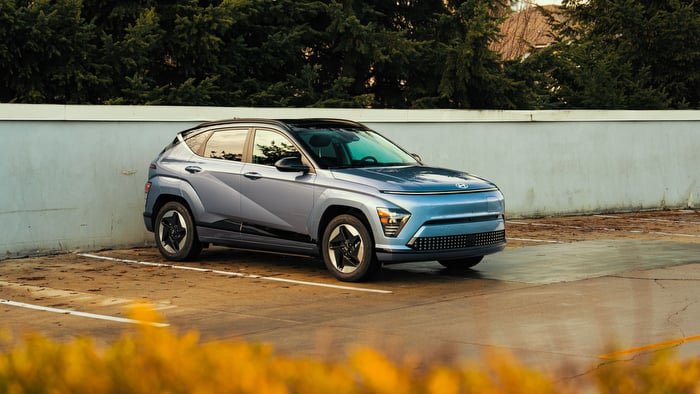
For drivers in Northern Alberta, the shift toward electric mobility requires a vehicle that doesn't just offer efficiency, but also the resilience to handle our unique climate. Grande Prairie’s long winters and vast distances demand a crossover that prioritizes thermal management and traction. The 2026 Hyundai Kona EV and the 2026 Toyota C-HR represent two distinct approaches to the compact electric SUV segment, each offering technology designed to bridge the gap between traditional driving and a zero-emission future.
At Grande Prairie Hyundai, we understand that choosing an electric vehicle (EV) is a significant decision. Whether you are commuting within the city or heading toward the Peace River region, your vehicle needs to provide consistent range and fast-charging reliability. While the all-new Toyota C-HR marks a bold entry into the market with its sporty profile, the 2026 Hyundai Kona EV remains a benchmark for practical, winter-ready electric driving in Canada.
Performance and All-Weather Capability
When comparing performance, the two models offer very different configurations. The 2026 Hyundai Kona EV is engineered with a focus on efficient urban and highway travel, utilizing a Front-Wheel Drive (FWD) system that produces up to 201 horsepower. To combat the Alberta cold, the Kona EV comes standard with a high-efficiency heat pump and a battery heating system, which are essential for maintaining range when temperatures drop well below freezing.
The 2026 Toyota C-HR enters the ring with a more performance-oriented All-Wheel Drive (AWD) option. The XSE grades feature a dual-motor system delivering a combined 338 horsepower, allowing for a manufacturer-estimated 0–100 km/h sprint in just 5.2 seconds. While the C-HR offers more raw power and the added traction of AWD, the Kona EV’s dedicated winter hardware—including a standard heated charge port door—makes it a highly practical choice for the Peace Country’s climate.
- Hyundai Kona EV: 201 hp (FWD), standard heat pump, and battery warmer.
- Toyota C-HR AWD: 338 combined hp, dual-motor electronic AWD system.
- Winter Readiness: Kona EV features a heated charging door to prevent ice-up during freezing rain or snow.
Range and Charging Infrastructure
Range anxiety is a common concern for drivers in Northern Alberta, but both models offer impressive numbers for the compact segment. The 2026 Toyota C-HR SE (FWD) leads with a manufacturer-estimated range of up to 496 kilometres, while the AWD versions provide approximately 420 kilometres. The 2026 Hyundai Kona EV offers a competitive 420 kilometres of range on a full charge, which is more than enough for the average daily commute and regional trips within the province.
Charging technology is another area where these two compete fiercely. The Toyota C-HR is equipped with a North American Charging System (NACS) port, providing wide access to high-speed charging networks. It claims a 10–80% charge time of approximately 30 minutes under ideal conditions. The Kona EV utilizes a 400V fast-charging system that can take the battery from 10% to 80% in about 45 minutes.
Interior Technology and Versatility
Inside, the 2026 Hyundai Kona EV focuses on a "living space" concept, offering more interior volume and cargo flexibility than its predecessor. It features a dual 12.3-inch panoramic display that integrates the digital cluster and the infotainment system into one seamless unit. The shift-by-wire selector is moved to the steering column, freeing up significant storage space in the centre console for winter gear and daily essentials.
The Toyota C-HR leans into a sporty, driver-centric aesthetic with soft-touch materials and a large 14-inch touchscreen. It also features customizable ambient lighting and a standard 12.3-inch digital gauge cluster. While the C-HR offers a tech-forward cabin, the Kona EV’s "frunk" (front trunk) provides an extra 27 litres of storage, ideal for keeping charging cables clean and out of the main cargo area.
Comparing the Electric Contenders
| Feature | 2026 Hyundai Kona EV | 2026 Toyota C-HR (AWD) |
| Max Horsepower | 201 hp | 338 hp |
| Max Range | 420 km | 496 km (SE FWD) / 420 km (AWD) |
| 10-80% DC Charge | ~45 Minutes | ~30 Minutes |
| Cargo Space | 723 L (Seats Up) | 720 L (Seats Up) |
| NACS Port | No (CCS1) | Yes (Standard) |
Export to Sheets
Why the Kona EV is the Choice for Grande Prairie
The Toyota C-HR is an impressive newcomer with high horsepower and fast charging, but the 2026 Hyundai Kona EV remains a specialized tool for the Canadian environment. Its inclusion of a standard heat pump, battery pre-conditioning, and a heated charge port door demonstrates a commitment to real-world usability in cold climates. For drivers in Grande Prairie, these features often outweigh raw horsepower when the snow starts to fly.
Discover Electric Driving at Grande Prairie Hyundai
Are you ready to experience the quiet power and instant torque of the 2026 Hyundai Kona EV? Our team at Grande Prairie Hyundai is here to help you navigate the transition to electric driving. We can demonstrate how the Kona’s winter-specific features will keep you moving through the Alberta winter with confidence.
Visit us in Grande Prairie to explore our electric lineup and take a test drive. Contact our sales experts today to learn more about our current inventory.